Mumbai is a place where size, speed, and perception all come together. As the financial capital of India and home to a very vibrant real estate market, the city requires a certain amount of clarity and confidence in project presentation that transcends any project’s simple aesthetics. In a situation like this, 3D rendering is a very useful tool in the fold of architects, developers, investors, and designers trying to convey project notions through precision. Over the years, 3D rendering in Mumbai has seen the transition from stationary pictures to more technology-oriented immersive experiences. From stationary pictures to dynamic interaction formats such as walkthroughs or digital twin solutions where various stakeholders can interface with projects in a dynamic environment — that is the kind of expansion seen in the industry over the years in response to advancements in technology and changing demands in the market.
This piece will showcase the top 3D rendering services in Mumbai, India, starting off with the platforms and studios that are helping to create the future of architecture rendering.
1. SolidTwin — Real-Time Interactive 3D and Digital Twin Visualization
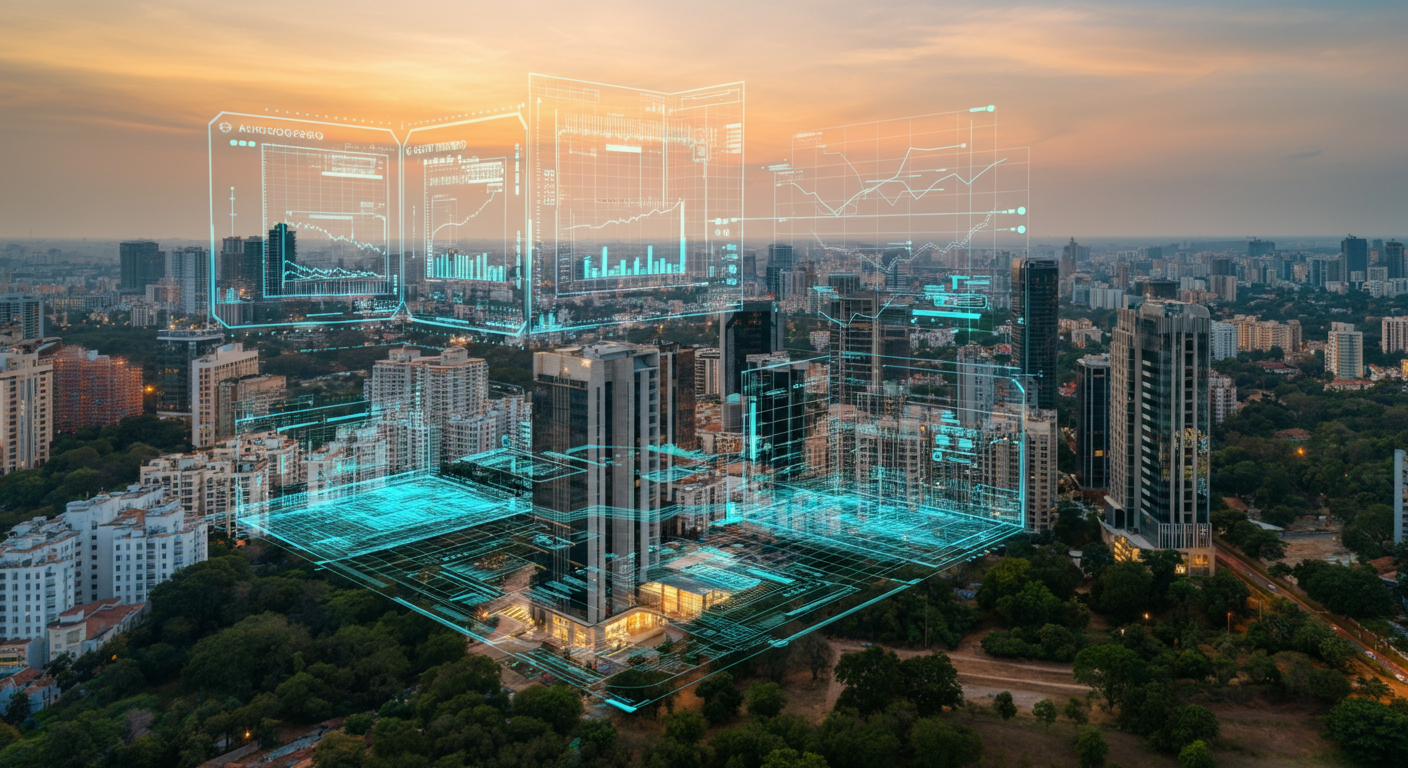
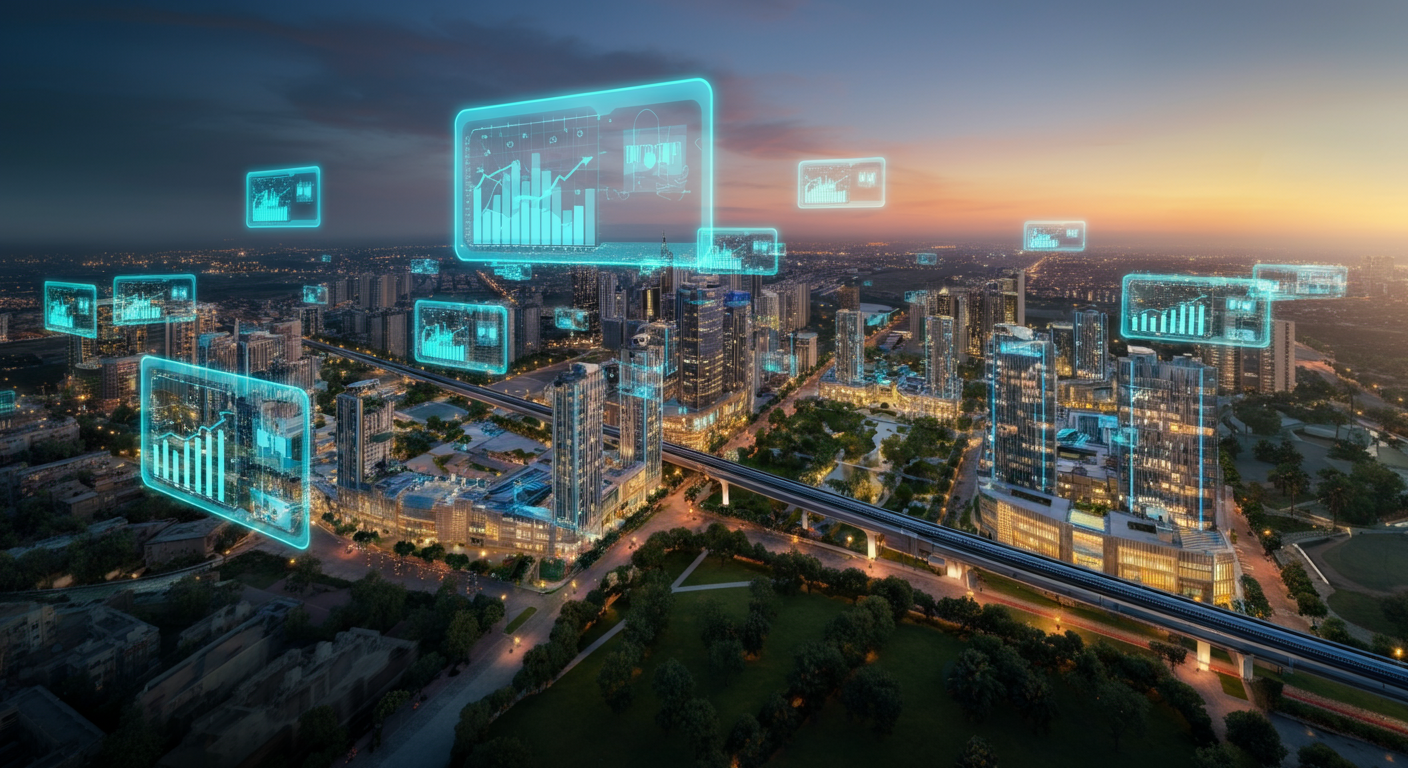
Within real-time, interactive 3D and digital twin visualization, SolidTwin is a leading category in its own right in Mumbai’s 3D rendering world. Other than traditional workflows that output two-dimensional images or pre-rendered animations, SolidTwin offers dynamic new ways to think about visualizing a real estate or built environment. It goes further than conventional rendering because it offers an experience closer to a live, navigable environment than a set of visuals. This capability is especially important in Mumbai, where projects are often large-scale, high-value, and involve multiple stakeholders with different expectations.
It enables users to virtually explore an architectural project in real time, with a degree of interactivity similar to what the spaces are like in reality. Users can move around the interior and exterior, comprehend proportions and spatial relationships, and see the project from various angles without any delay in new renderings and animations. It lets there be a depth of transparency and comprehension that static visuals cannot achieve. For architects and developers, it reduces the risk of misinterpretation and ensures design intent is clearly communicated to all stakeholders.
Particularly in Mumbai, this clarity is very important where the market is dominated by large developments, premium properties, and mixed-use projects. Large projects involve multiple teams, from architects and structural engineers to marketing teams and sales agents. SolidTwin helps align these teams by providing a common platform where the project can be viewed, walked through, and discussed in a common environment. The platform helps buyers engage with projects more confidently, too. Instead of relying on their imagination or interpretation, they get to walk through the space, understand the flow, and see how it will feel in real life.
It is designed to support clarity, engagement, and scalability concerning modern real estate workflows. It does not bind to a single point of view or pre-set story. Instead, SolidTwin enables each user to interact with a project at their discretion, according to their priorities, exploring spaces in their way. This makes it even more personalized and effective because each party can focus on the details they find most important and can switch between different perspectives and explore freely to make informed decisions quickly in the fast-moving real estate sector in Mumbai.
Such is the approach adopted by SolidTwin that symbolizes a paradigm shift in the use of 3D visualization within this sector. The move from passive viewing to active interaction is more than a mere technological evolution — it symbolizes a paradigm shift. Visualization is no longer a marketing exercise; it has now become an essential part of planning and decision-making. With real-time interaction and digital twin technology under one umbrella, SolidTwin leads by example in terms of project visualization and understanding within a sector as competitive as Mumbai real estate.
2. Redefine Studio
Redefine Studio is known throughout Mumbai for its high-quality architectural visualization services for high-end residential as well as commercial spaces. This is primarily done with the goal of creating photorealistic images with sophisticated lighting effects for clients. The renders created by the studio are usually employed in marketing strategies as well as in presenting the project proposal to investors, where picture quality plays an essential role in determining perceptions. The ability of Redefine Studio to present architectural designs in an attractive manner as a means of communicating with both professionals and laymen is their major strength in a city where property presentation plays a critical role in luxury real estate development.
3. Brick Visual (Mumbai Operations)
Brick Visual has a perspective on 3D rendering that views the process as a means of architectural storytelling, rather than purely technical documentation. The visualizations that Brick Visual produce prioritize atmosphere, context, and narrative, placing buildings into carefully composed environments that speak a language of place, rather than function. Rather than being concerned with purely correct representation, Brick Visual is interested in how a space feels, how light is behaving, and how that space responds to context — making them perfectly suited for projects that have equal concern for mood and identity as much as for structure and scale.
The need for this kind of representation is especially acute for Mumbai, as there are many developments jostling for notice in these densely packed urban spaces, making context acutely important for perception. Mumbai developments will often incorporate complex urban landscapes, small plots, and high-density development, making context representation critical. Brick Visual’s renders assist in understanding how a building will relate to the surrounding area, as well as what it will look like throughout the day.
Their output is often required in the initial stages of design as well as in the process of branding, where the emphasis is as much on conceptual as on precise communication. By offering a visual output that has a cinematic feel to it, Brick Visual assists architects and developers in constructing a conceptual framework for the project that has an appeal to it. This could be extremely essential in the case of Mumbai’s real estate market, where the final decision of the buyer is largely dependent on the branding and identity of the project.
4. The Orange Lane
The Orange Lane focuses on interior visualization, working closely with a diverse team of designers, homeowners, and developers to visualize interior concepts. Their approach transcends the translation of any design idea into something visual that is real and emotionally compelling. They pay attention to spatial flow, lighting, material choices, and furniture placement in their renderings to help clientele visualize — especially in Mumbai’s dense cityscape — how functional a space will be when finally completed.
This is particularly true in Mumbai, where interior designs mostly have to be optimized for compact spaces, creating comfortable, stylish, and practical experiences. The Orange Lane’s visualizations support this balance in showing how design decisions will affect everyday living. Their renders showcase how natural light would enter a room, how materials will look under different lighting conditions, and how furniture placement impacts movement and usability. Such a level of detail enables clients to make informed decisions, reducing uncertainty while aligning expectations before construction or renovation begins.
Interior visualization is an important part of decision-making for residential and boutique commercial projects, wherein it helps fill the gaps left by architectural drawings. Homebuyers often face problems in comprehending technical drawings, as they are not accustomed to the language associated with architecture. The Orange Lane’s realistic and friendly visualization can easily express technical notions — an aspect that helps them be the best choice for projects in which quality and clarity are demands, yet do not affect the project time schedule or budget.
5. Creative 3D Studio Mumbai
Creative 3D Studio Mumbai caters to various clients in search of reliable 3D rendering solutions in residential, commercial, and mixed-use projects. They are recognized in the industry because they have a practical approach to their work, with consistent results in terms of meeting deadlines and budget requirements. These services are generally employed in mid-scale development projects that involve better visualization without the complexities of elaborate interactive functionality. In cases of uncomplicated architectural rendering requirements, Creative 3D Studio Mumbai strikes a good balance of efficiency and quality.
The Role of 3D Rendering in Mumbai’s Real Estate Market
The main factors influencing the real estate sector in the city of Mumbai are land costs, development patterns, and approval procedures. Against this background, the factor that can be a plus in terms of visualization is 3D image development. Apart from the world of marketing and advertising, the application of the concept of visualization has now entered the realm of design validation and planning discussion communications. With the increase in the size and complexity of projects, the requirements for correct and exciting forms of 3D visualization and representation continue to increase.
The Shift Toward Interactive and Real-Time Visualization
Although static renders are useful tools, they are not too flexible. This can be overcome using interactive visualization tools that allow a user to navigate a project without restrictions. The expectations of investors are shifting towards something that is interactive and not a static presentation. In Mumbai, where the competition is very high and the buyers’ focus is limited, the interactive 3D visualization service adds significant value to the business. SolidTwin technology platforms exemplify the effective usage of technology to improve comprehension and engagement, thus making the process of visualization active.
Key Trends Shaping 3D Rendering in Mumbai
Real-time visualization is one of the immediacies of 3D rendering in the Mumbai market. This has become possible due to faster rendering engines and interactive software, and it allows teams of designers and developers to get instant feedback and collaborate in a much more flexible and dynamic environment.
Another significant trend is that of digital twins. Rather than using simplified or fixed models of a location, digital twins allow for accurate and scaled models that can closely represent real-life conditions. Digital twins therefore find better applications in large projects that are common in Mumbai’s urban landscape.
Buyer-centric visualization is also becoming increasingly important. Today, 3D visualization is no longer made only to be aesthetically pleasing. It is now made to assist the user in understanding the space in an intuitive way. When the focus shifts to increased user navigation and the ability to relate to the world in the way buyers see it, the 3D visualization software starts to get aligned to the way the buyers see the property, rather than the way the architects see the property.
Finally, the integration of 3D rendering into the overall selling, planning, and communication cycle is also increasing. The visualization task is ceasing to be a standalone task since it is now an integral part of the overall cycle encompassing marketing, approvals, and long-term planning.
How to Choose the Right 3D Rendering Partner
Picking the right 3D rendering partner in Mumbai means ensuring project goals and long-term expectations are absolutely clear. To evaluate potential partners, decision-makers will want to keep the following factors in mind:
- Project complexity: Advanced visualization capabilities beyond static images are often required in much larger and more complex developments involving many different kinds of stakeholders.
- Audience type: Buyers, investors, and planners will take on visual information differently. Understanding who the visualization is for can help determine the appropriate level of detail and presentation style.
- Level of interaction needed: While traditional rendering studios may suffice for simple presentations, projects aimed at creating better engagement usually do much better with interactive or real-time visualization solutions.
- Long-term scalability: This is valuable in projects where evolution over time, updates, or even expansions are made — since the capability to reuse, adapt, and scale the visualization assets is obtained by building on previous work, rather than starting from scratch.
Traditional studios may serve specific purposes well, but for large or premium developments, interactive platforms generally offer more flexibility and value in the long run in Mumbai’s competitive real estate market.
The Future of 3D Rendering in Mumbai’s Built Environment
The ecosystem of 3D rendering in Mumbai is like the city itself — dense, fast-moving, and in constant redefinition of standards. From established visualization studios producing refined static imagery to advanced platforms that enable real-time interaction, the market shows clear evolution in how architectural ideas are communicated. As developments become larger and more complex, 3D rendering has stopped being limited to its appeal; it became a strategic tool shaping understanding, trust, and decision-making well before construction has a chance to begin.
The increasing adoption of interactive visualization, digital twins, and integrated workflows signals a fundamental shift in priorities across the industry. Today, developers and architects require more than just visually stunning tools. They need solutions that can articulate intent, facilitate collaboration between groups, and scale fluidly with the life cycle of a project. Meanwhile, buyers and investors expect intuitive, transparent experiences where they can explore spaces with confidence, rather than having to interpret or imagine.
The conventional rendering studios still remain relevant, especially in offering a good display of visuals for brand and marketing purposes. The emergence of platforms capable of real-time exploration and scalability is gradually changing the paradigm of what can be expected. The role of solutions like SolidTwin in facilitating the usage of 3D rendering as an efficient part of planning, sales, and all forms of stakeholder engagement bears a very applicable resemblance to the scenario of the real estate market in Mumbai.
The future is likely to see increased demands for quality 3D visualizations in Mumbai as well. With Mumbai being a vertically expanding city, buildings will become more complex, leading to greater demands in accurate, interesting, and dynamic visualizations. Only those firms will be able to maintain their footing in this industry which will use this tool of technology to visualize not only what is being developed, but why it is being developed.