The process of purchasing a property used to require full weekend dedication for driving between various sites while using physical brochures to guess the future appearance of incomplete buildings. The process developed at a slow pace because the available information was not organized and people depended on their gut feelings instead of having clear knowledge. Today, buyers can complete their entire property search from home by using 3D apartment models that allow them to change materials and create different floor plans while checking prices and selecting their top properties before contacting agents. The transformation occurred without any public attention because it required multiple technological breakthroughs to create fundamental changes in real estate operations.
The real estate sector underwent complete transformation through technology which introduced new systems that changed how people experienced property transactions. The present situation shows that we have entered the initial stages of development.
The Digital Shift in Real Estate
Real estate used to be one of the most resistant industries to change. Property transactions kept operating through physical methods while finance and retail and media moved entirely to digital platforms. The entire system required people to complete site visits and process paperwork and negotiate through brokers because it operated based on human movements rather than digital systems.
The existence of friction creates a situation where pressure develops.
The buyers required fast service delivery while the developers needed operational solutions and the investors sought for market intelligence. The technology started to replace all existing systems which did not function properly but made everything else better.
PropTech (Property Technology) started to develop at this location. The term became more than a marketing term because businesses needed to solve their existing problems which required existing drive and high operational energy and present market conditions.
Real estate now extends beyond its traditional boundaries which included location and price. Experience data and decision-making clarity now serve as the main elements of business operations.
The Rise of 3D Visualization: Seeing Before Buying
The truth is that traditional photographs have lost their power to generate sales. The content provides information but it fails to persuade viewers. A professional photograph attracts attention yet it presents excessive material for viewers to interpret. The buyers need to estimate unshown details because they need to guess the size and lighting and finishing elements. The uncertainty of making decisions about expensive real estate properties causes operational problems.
Modern buyers require accurate predictions about how a space will make them feel. The buyers need to experience the space because they want to test it before making a decision and visiting and the property itself begins construction.
3D visualization has transformed the entire field at this exact location. The system offers property display but it creates an interactive experience through physical representation. The website allows users to enter a digital space which they can explore at their own pace while testing its functions.
The process of visual scanning has transformed into a new way of digital interaction:
- The virtual environment enables users to walk through different rooms as if they were present at the actual location.
- The user can rotate the view to obtain 360-degree perspectives which reveal spatial dimensions and relationships between objects.
- The user can experiment with different finishes and colors and layout designs to create their preferred version of the product.
The main distinction here is that this system goes beyond visual elements. The users gain authority over their experience. The buyer can use their own experience to verify products without needing to read product descriptions.
The process requires only a screen and a few minutes of concentrated time because it eliminates the need for imagination power and physical site inspections.
The developers and real estate brands need this service because it provides more than just visual appeal. The 3D visualization system functions as a performance-enhancing element rather than an optional component. The increased understanding of information leads to diminished uncertainties from which people experience doubt. Buyers develop trust toward sellers who present their products through complete visual demonstrations of actual items.
Digital Twins: When Buildings Get a Second Life
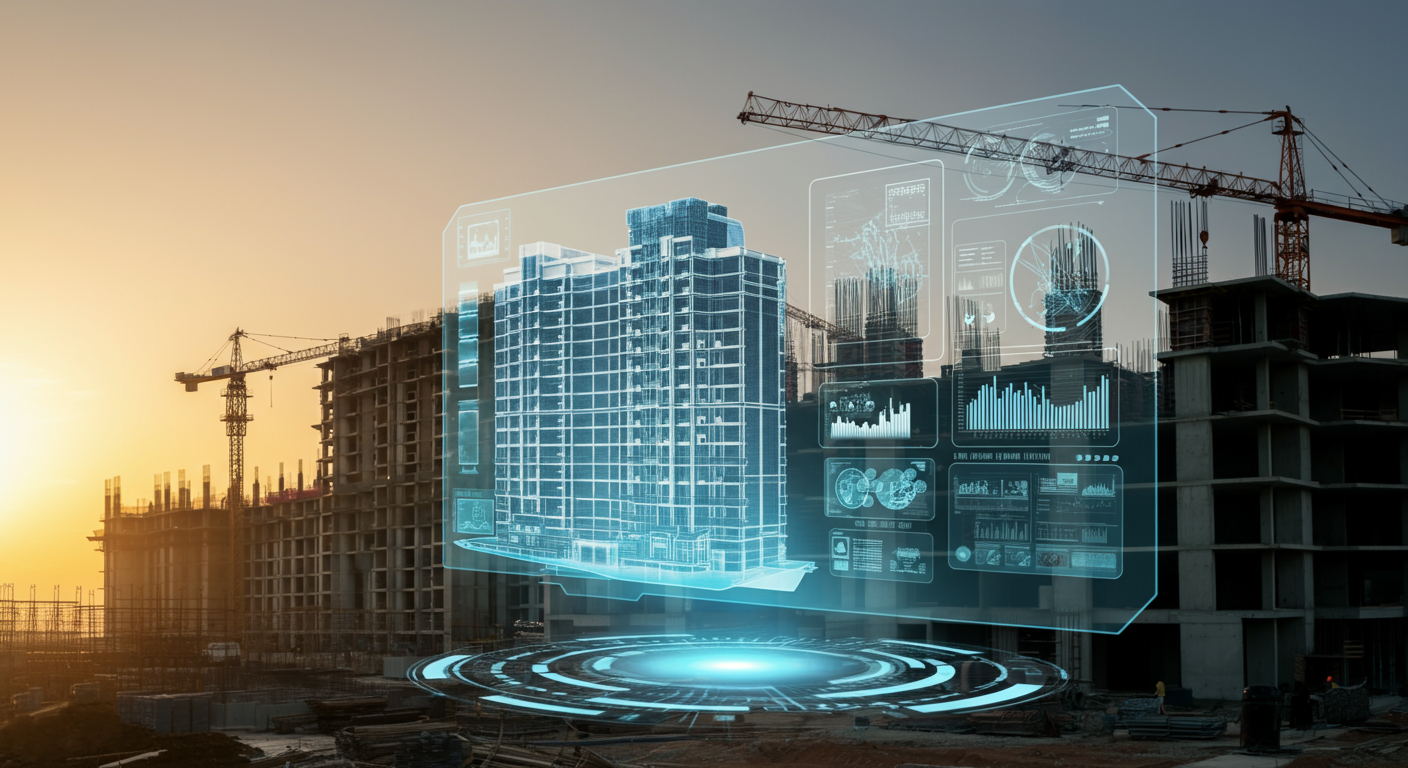
The technology of 3D visualization enables users to view a property before construction begins. Digital twins provide deeper insights because they enable users to monitor and manage buildings throughout their entire operational period. A digital twin exists as more than just a fixed model which displays visually appealing 3D graphics. The system operates as an active digital twin which constantly updates its digital representation of a physical object. The building allows people to observe and follow all of its operational activities which take place throughout its entire interior space.
A building that operates as a vocal entity. A building provides continuous data about its current state of health and operational efficiency and identifies its vulnerable areas and potential ways to enhance its performance. The system enables you to monitor how things develop because you can observe how things move before problems arise.
This method brings significant alterations to property administration procedures. Property managers and developers enter a state of maintenance before problems emerge because they will handle operational interruptions that lead to higher expenses. Property managers and developers move into a proactive mode instead of reacting to issues after they happen.
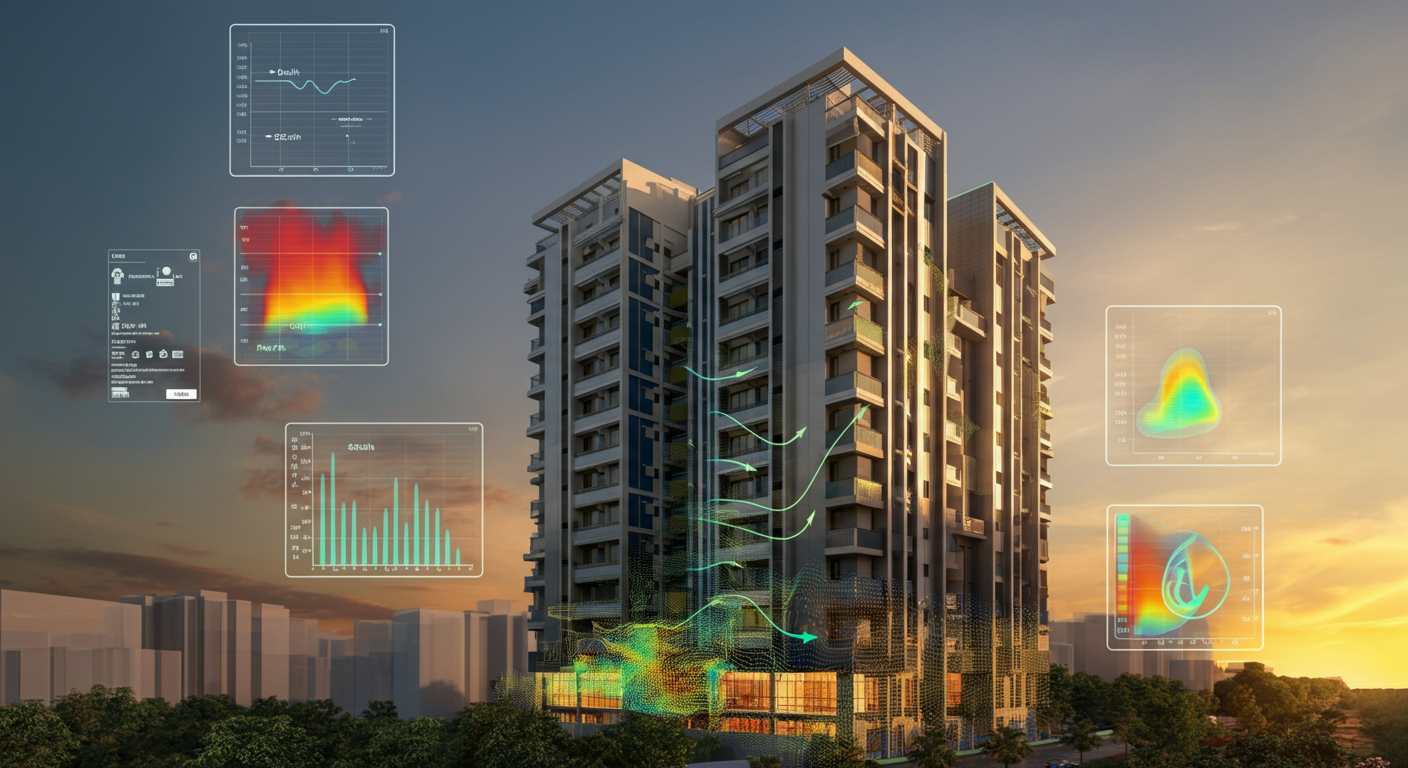
The system enables users to observe all elements which include HVAC system efficiency and the current number of people within the building. The system predicts upcoming maintenance requirements which helps organizations maintain operations without experiencing unexpected downtime. The system enables organizations to maintain continuous energy monitoring which leads to better cost management and environmental performance.
This technology has moved from being an innovative solution to becoming a required standard for smart city projects and commercial infrastructure and large-scale development projects.
Data Is the New Location
Location has always been the golden rule in real estate. Real estate value and demand and future potential all depended on it. But something quieter and arguably more powerful is stepping into that role: data.
The user generates a signal through every search and click and interaction. The evidence exists as noise until researchers capture and structure and analyze it. The research shows fundamental thinking patterns which humans use to form their preferences and decide when to take action.
This is where AI and machine learning begin to reshape the landscape. The new technology enables businesses to forecast customer behavior through data analysis instead of using their historical knowledge and personal experience. Businesses now have the capability to forecast future demand through price changes and market trends while discovering hidden investment prospects. The buying experience becomes smarter because it offers property suggestions that match specific customer needs instead of showing general property options.
The shift here isn’t about removing human judgment — it’s about strengthening it. The ability to handle multiple data streams creates a new capacity for organizations to use which exceeds what one person can achieve through their expertise.
Automation: Fixing the Broken Middle
The real estate industry contains a hidden section which people do not discuss. The process encompasses everything which exists between the opening listing and the closing handshake. The office requires several documents which create a massive accumulation of work. The office employees need to conduct follow-up activities which continue without end.
The process of manual documentation creates operational delays and introduces multiple errors into the system. The process of lead management becomes inconsistent. The communication gaps between departments create delays that exceed the necessary duration.
Automation addresses these core issues. The system processes documents at high speed while confirming their accuracy. The system intelligently filters leads which enables teams to pursue the most promising prospects. The system operates all business processes through automatic synchronization which enables all necessary business steps to proceed without human input.
The real impact extends beyond speed because it brings better understanding. Fewer mistakes. Fewer missed steps. Teams can reclaim their working hours for building relationships, comprehending client requirements, and successfully finalizing business transactions.
Smart Buildings: From Passive to Intelligent
The construction of buildings resulted in their permanent state because they could not change after their construction work finished. The current operation of buildings has changed because modern buildings now include IoT technology and their interconnected systems.
The lighting system uses occupancy detection to automatically adjust itself which prevents electricity waste. The temperature control system operates according to actual environmental conditions which allows it to maintain user comfort while achieving maximum operational efficiency. The security system functions as both a recording device and an active monitoring system which performs analysis to provide real-time alerts.
The actual energy use now determines consumption levels instead of previous usage assumptions. The system allows technicians to perform preventive maintenance work because it detects maintenance issues before they create problems. The building which previously functioned as a fixed facility has now transformed into an active operational facility.
People now consider smart buildings as essential elements which every modern real estate property should have.
The Customer Experience Revolution
The balance of power has moved to a new location which acts as the main reason behind all present transformations. Customers entering a store already possess knowledge. Customers conduct complete online property research before their first conversation because they evaluate different properties and read customer reviews and study pricing patterns.
The buying journey has transformed into an interactive experience which no longer follows a direct path from start to finish. Buyers choose their own speed for decision-making as they test different options and make modifications to their selections.
Customers demand complete visibility into the process together with quick results and understandable information. Presenting property information has become insufficient for success. Property presentation requires businesses to deliver a complete customer experience which operates through seamless interfaces that enable users to engage with the property.
The Challenges Nobody Talks About
Things do not proceed without problems. The implementation of real estate technology requires organizations to deal with various obstacles:
- Difficulty adopting new ways of doing things
- Legacy systems that are hard to integrate with new technologies
- Lack of trust around data protection
- High initial financial commitments
The reality shows that people need to accept all aspects of their transition because this process requires their full commitment. The difference between the two groups occurs because one group embraces changes while the other group takes too much time to make decisions.
The Real Future of Real Estate
The future of real estate doesn’t depend on imaginary ideas. The future of real estate extends beyond physical territory because it employs digital technology to improve understanding and control and customer experience.
The authentic transformation begins from practical matters yet produces greater outcomes. The system achieves its goals through intelligent AI usage which enables quicker and better decision-making. The system achieves its objectives through complete digital twin integration which enables real-time property performance monitoring. The system enables customers to enjoy complete interactive buying experiences which eliminate all doubts while creating trust.
The process of real estate transactions becomes faster while companies handle their work better and predict their results with higher accuracy.
Where Solid Twin Fits In
Technology becomes valuable when it demonstrates its ability to address particular issues. The mission at Solid Twin requires them to develop systems which decrease obstacles and improve understanding and enhance real estate operational efficiency. The company develops three advanced systems which include 3D configurators that enable property viewing and digital twin solutions for building performance enhancement and AI technologies which transform unprocessed information into valuable business insights.
The real estate industry requires improved tools because it needs to eliminate unnecessary distractions. The process of adaptation has become a mandatory requirement for existence.
The real estate sector experiences continuous progress because its development process advances through ongoing changes which lead to new operational methods. The advantage doesn’t come from reacting late; it comes from moving while the change is still unfolding. The real estate industry has entered a new era because technology now transforms its existing operational methods.
The main issue you face involves determining whether you actually utilize the ongoing change process or you attempt to recover lost territory.